What We Heard at FABTECH, PACK EXPO, and Equip Exposition 2026
The Mesh Systems team attended three trade shows in one week: FABTECH in Las Vegas, PACK EXPO in Chicago, and Equip Exposition in Louisville.
The equipment ranged from welding systems and packaging machinery to commercial mowers. Across those industries, manufacturers described similar challenges: connecting equipment, improving existing platforms, and using product data to reduce downtime and service costs.
What changed was the depth of the discussion. The broad excitement around AI was quieter, while the questions behind it were more specific: Is the product connected? Is the data reliable? Can service teams act on it? Is the underlying platform strong enough to support intelligence at scale?
Why Mesh Attends These Shows
Mesh works with manufacturers that build and support connected products. These shows give us direct access to the equipment, the people responsible for it, and the problems they are trying to solve.
They also help us understand the constraints behind a product roadmap. A manufacturer may want remote diagnostics but face customer restrictions on cloud connectivity. Another may have a working platform but lack the engineering capacity to add features.
Those details shape what we build. Experience with device integration, remote monitoring, and platform management can apply across industries, but the solution needs to fit the equipment and its operating environment.
FABTECH: Improving What Already Exists
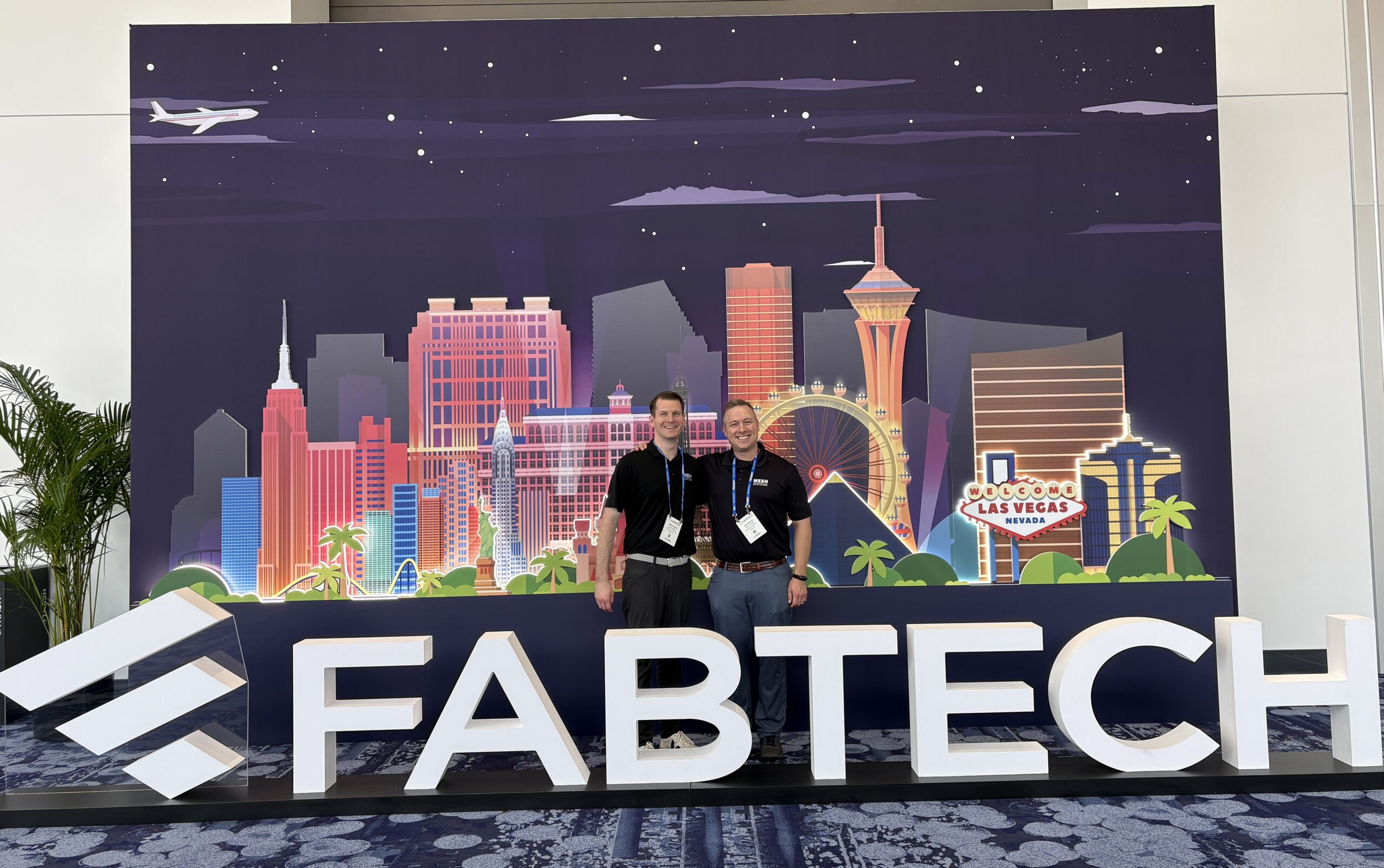
At FABTECH, several manufacturers already had connected platforms. Their challenges involved integrating equipment, scaling software, and modernizing the underlying architecture.
Predictive maintenance and service efficiency were frequent topics. Conversations covered sensor integration, monitoring consumable usage to improve replenishment, and consolidating data from multiple equipment manufacturers.
We also heard demand for ongoing support. Building the initial solution is one step. Manufacturers need capacity to operate it, maintain it, and continue development.
PACK EXPO: Putting Machine Data to Work
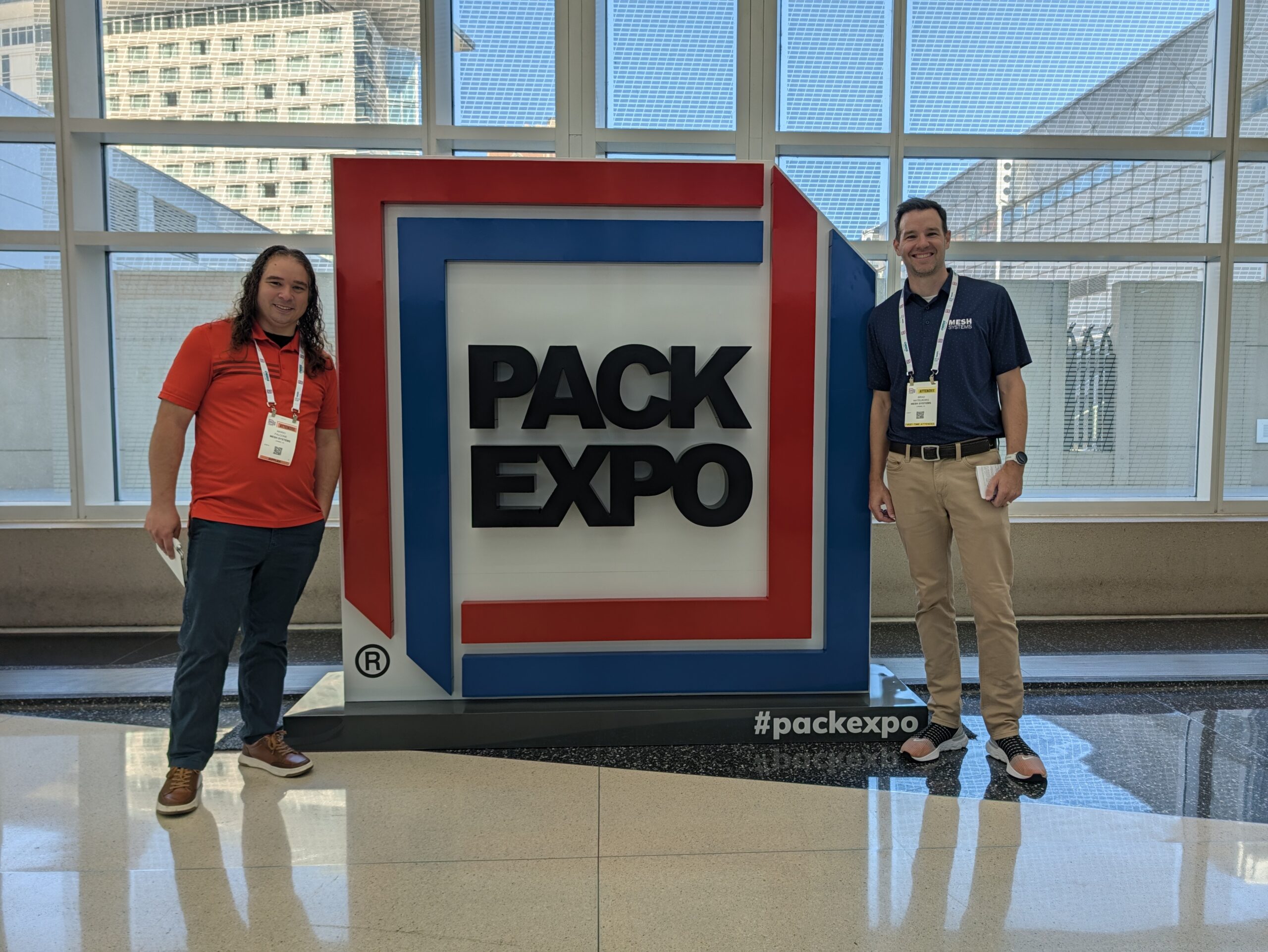
At PACK EXPO, many manufacturers were collecting equipment data but were still developing the analytics and service workflows around it.
Customer security requirements were a recurring constraint. Several companies relied on local networks or remote PLC access for troubleshooting. A broader cloud connection was not always something their customers would permit.
That makes architecture and deployment choices important. Manufacturers need a practical way to use equipment data within their customers’ security requirements.
We also found that the teams responsible for product development were often absent from the booth or based outside North America. Local conversations helped identify who needed to be involved in a deeper technical discussion.
Equip Exposition: From First Connections to Expanded Platforms
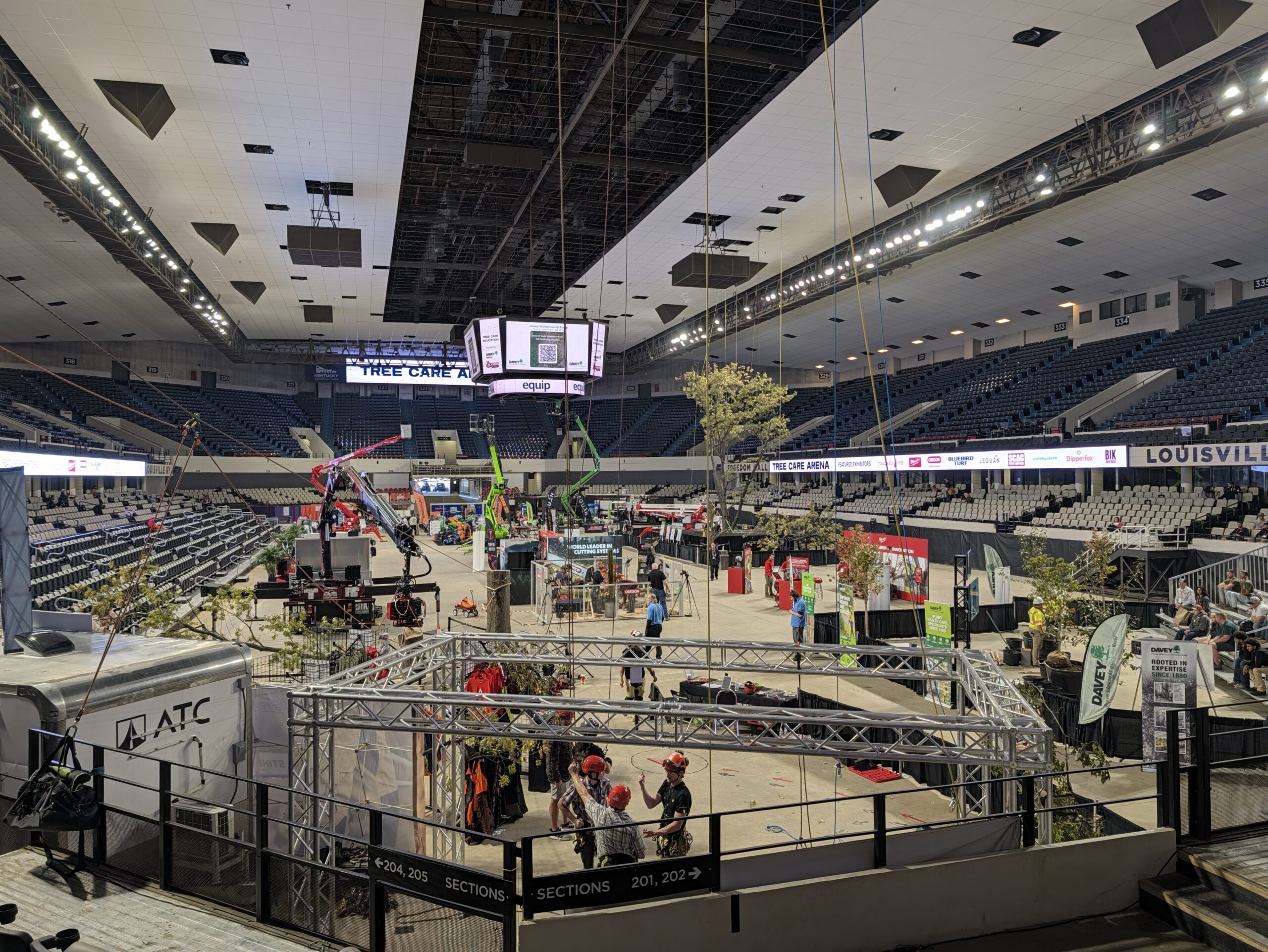
Equip Exposition showed a wide range of connectivity maturity.
For manufacturers without connected products, location tracking, theft prevention, and equipment utilization offered concrete starting points. Others had established platforms and wanted to expand their applications or move development faster.
Several conversations came back to staffing. Manufacturers had ideas for connected offerings but needed help building the hardware, firmware, platform, or applications required to deliver them.
The business case mattered throughout. Connectivity needed to solve a problem customers would value enough to adopt and pay for.
The Common Thread: A Clear Use for the Data
Across all three shows, the strongest discussions tied technology to a specific result: fewer service trips, better maintenance decisions, improved uptime, or faster troubleshooting.
AI was part of those conversations, particularly around interpreting equipment data and supporting service teams. The next step was defining the workflow, confirming the available data, and determining how a recommendation would lead to action.
For some manufacturers, that work starts with connecting equipment. For others, it means improving a platform already in the field.
Mesh helps with both. We attend these shows to understand where manufacturers are today and where engineering, platform, and ongoing operational support can help them move forward.